Featured Projects
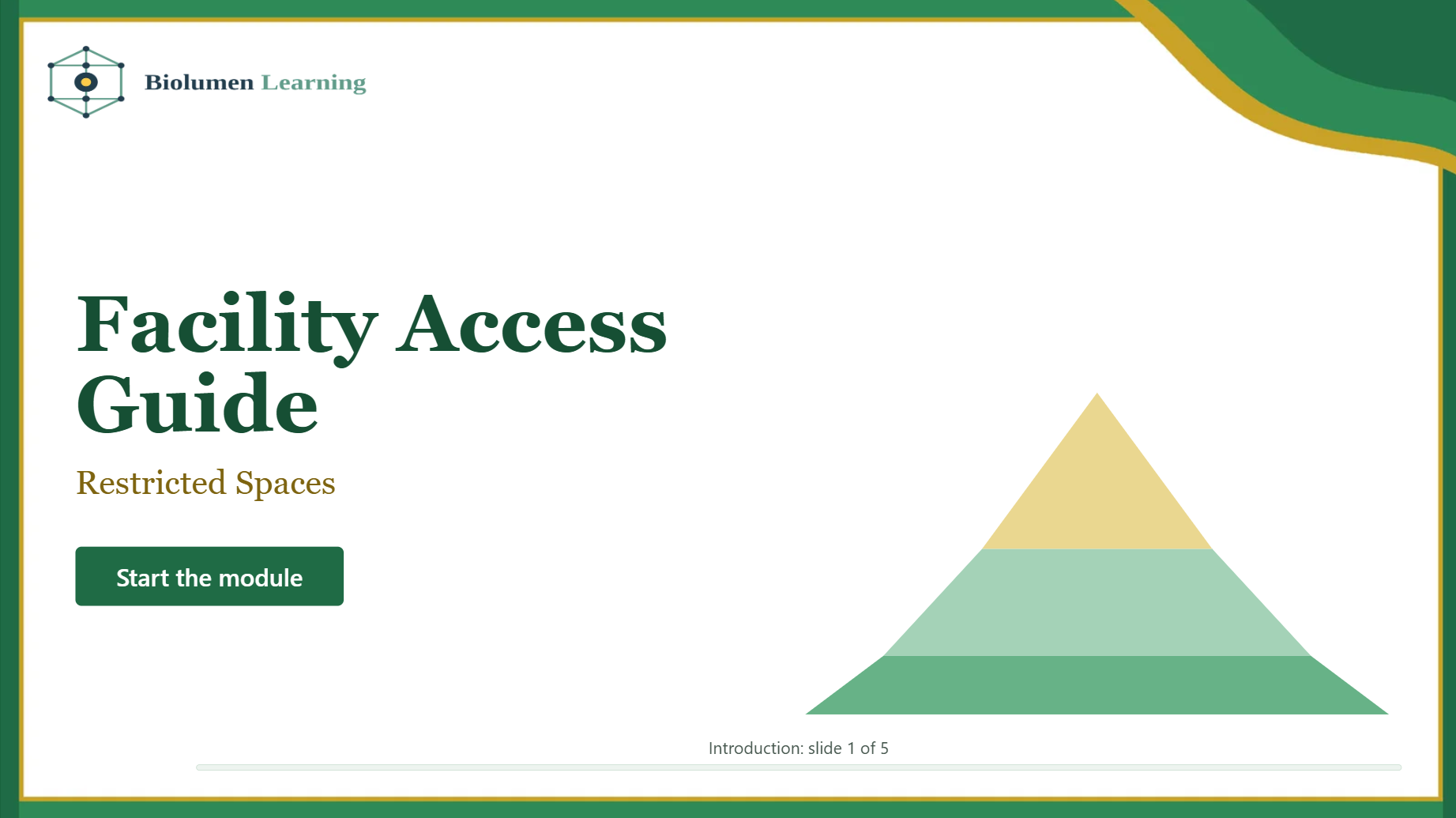
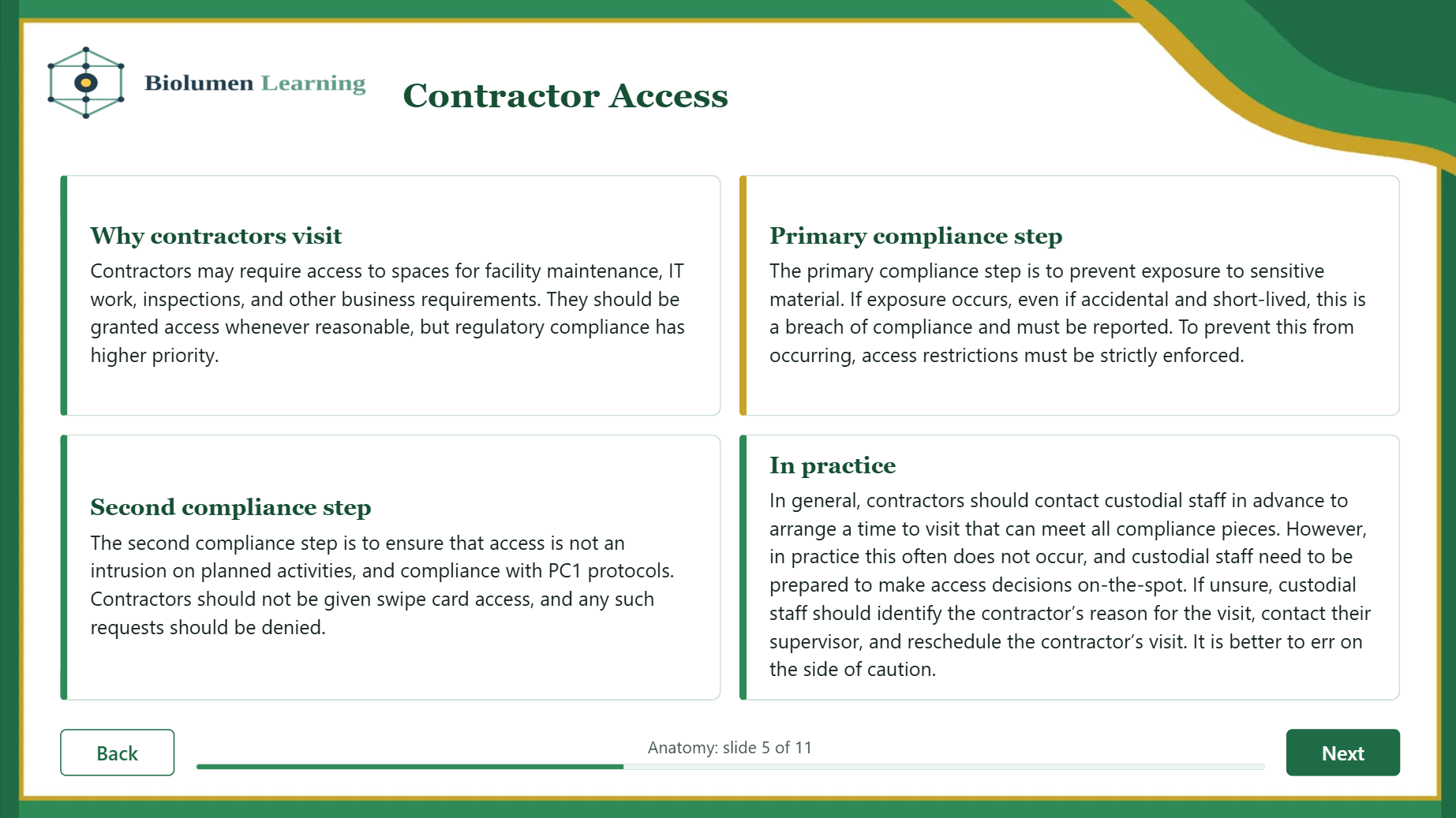
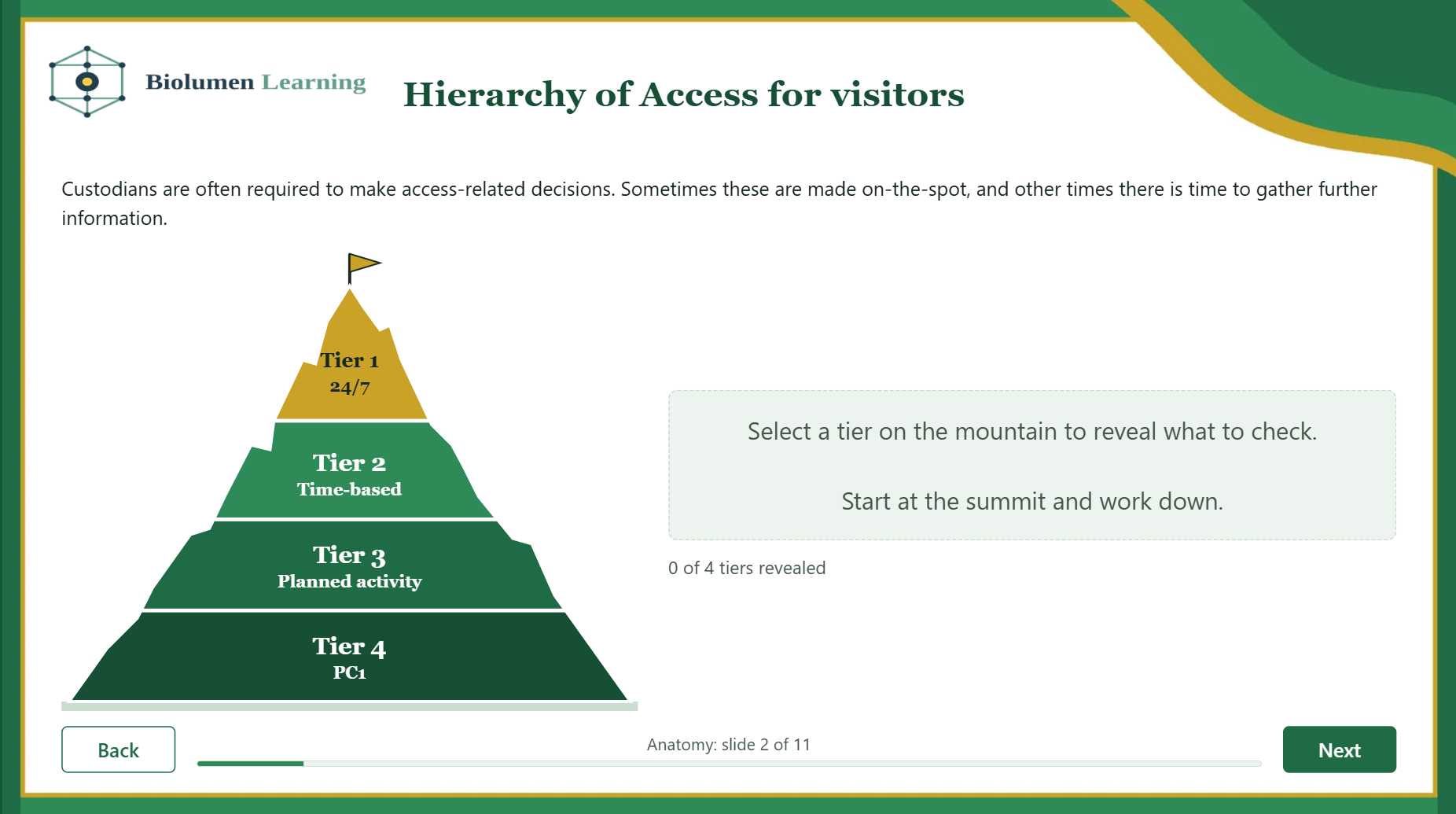
Facility Access Compliance
Problem:
Complex access requirements and a lack of clear operational guidance created difficulty for employees to manage access to facilities with restricted access.
Solutions:
I consulted with multiple stakeholders with strong knowledge of the compliance regulations around the specific facilities.
I created a draft Word document to organise the complex details.
Stakeholders reviewed the draft and provided feedback in an iterative process.
Once details were verified, I used Articulate 360 Storyline for storyboarding and drafting of interactive elements. Once the prototype was developed, Claude was queried for consistency checks and polishing of graphical elements.
The resource was provided to staff who are custodians of the facilities.
Outcome:
Staff members felt more confident in their management of facility access requests from a broad range of visitors.
Gamification
Learning objectives:
Learners will be able to describe the key functions of the microbiome.
Learn will be able to describe the difference between microbiome diversity and composition.
Tools used:
Articulate 360 Storyline, Pollo.ai
Learning strategies employed:
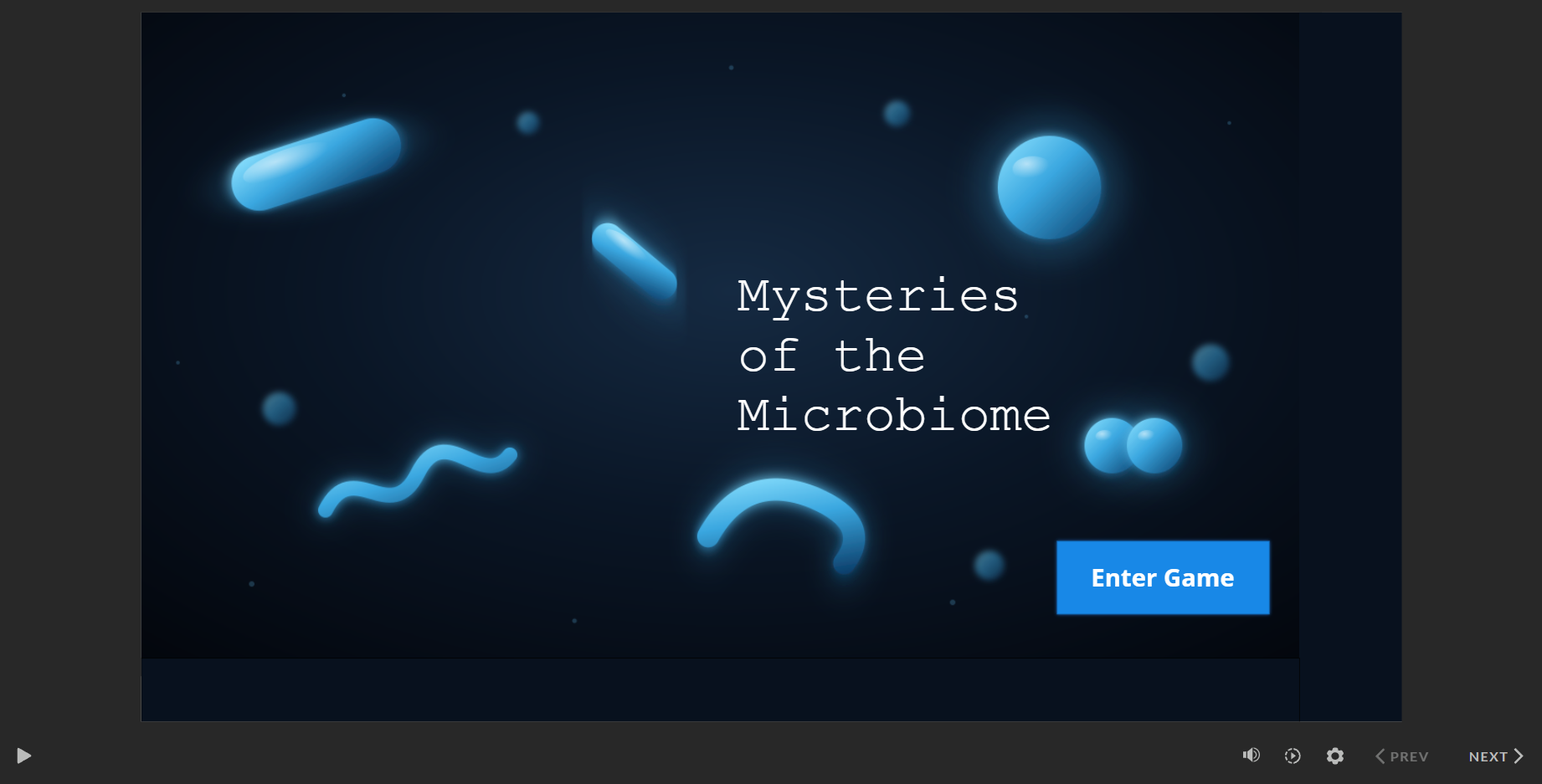
Developed from scratch by Joel. In both Gagne’s 9 Events and the ARCS learning model, gaining attention is the first step. The first slide draws in learners using visual style and words. The second slide maintains attention for modern audiences through a short, custom-made video using AI.
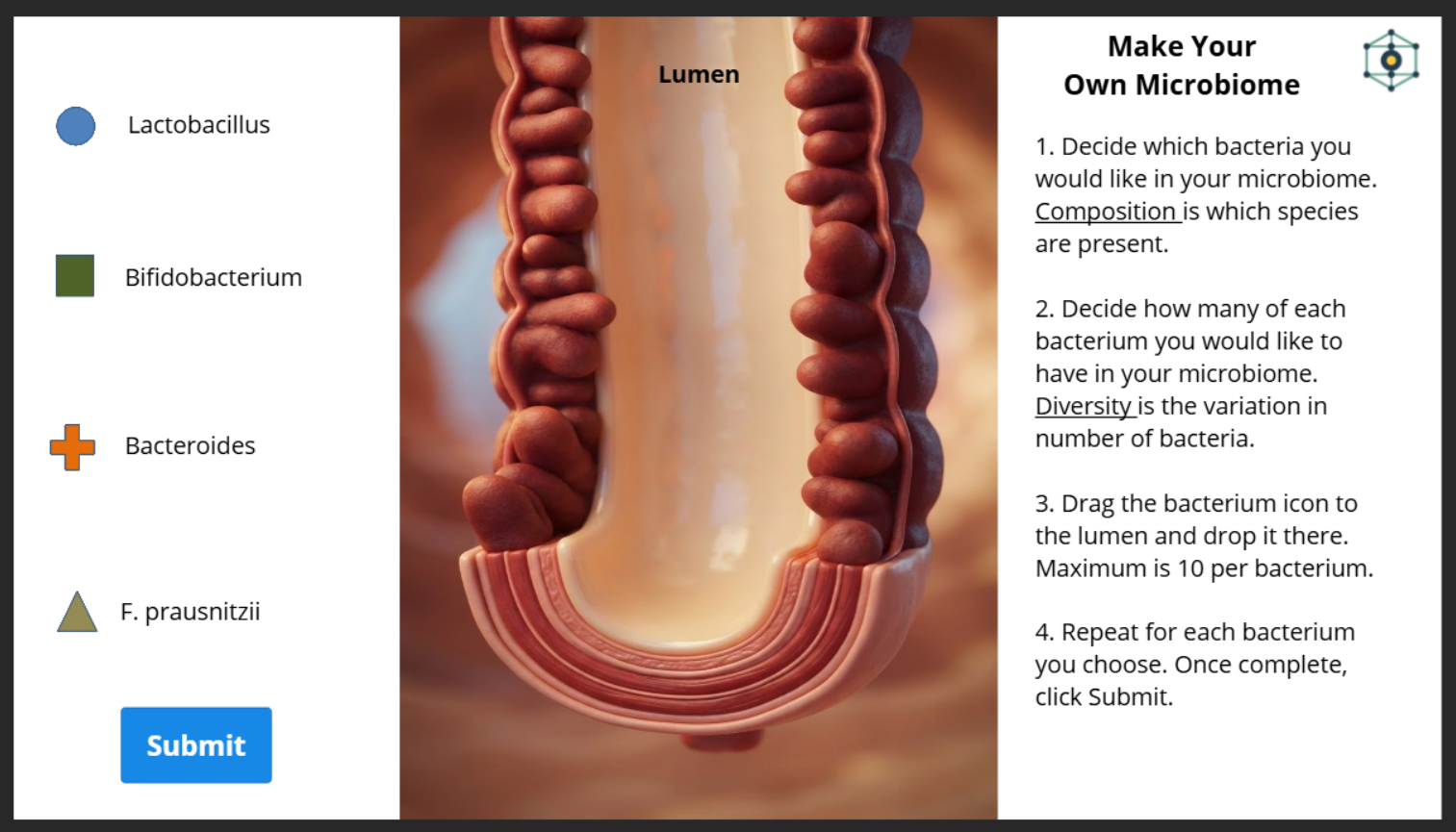
The third and fourth slides involve learning through gamification. In this case, the game offers several advantages:
Learners can visually see and experience the concept of microbes competing for limited space.
Learners do an activity first, before information is loaded and explored. This ties in closely with the 5E Model.
Learners can actively experience the concepts of microbial diversity and composition, rather than passively learning them.
Repetitive attempts can help reinforce learning. This reinforces the 4th step of Merrill’s Principles of Instruction.
Articulate Rise module
Learning objectives:
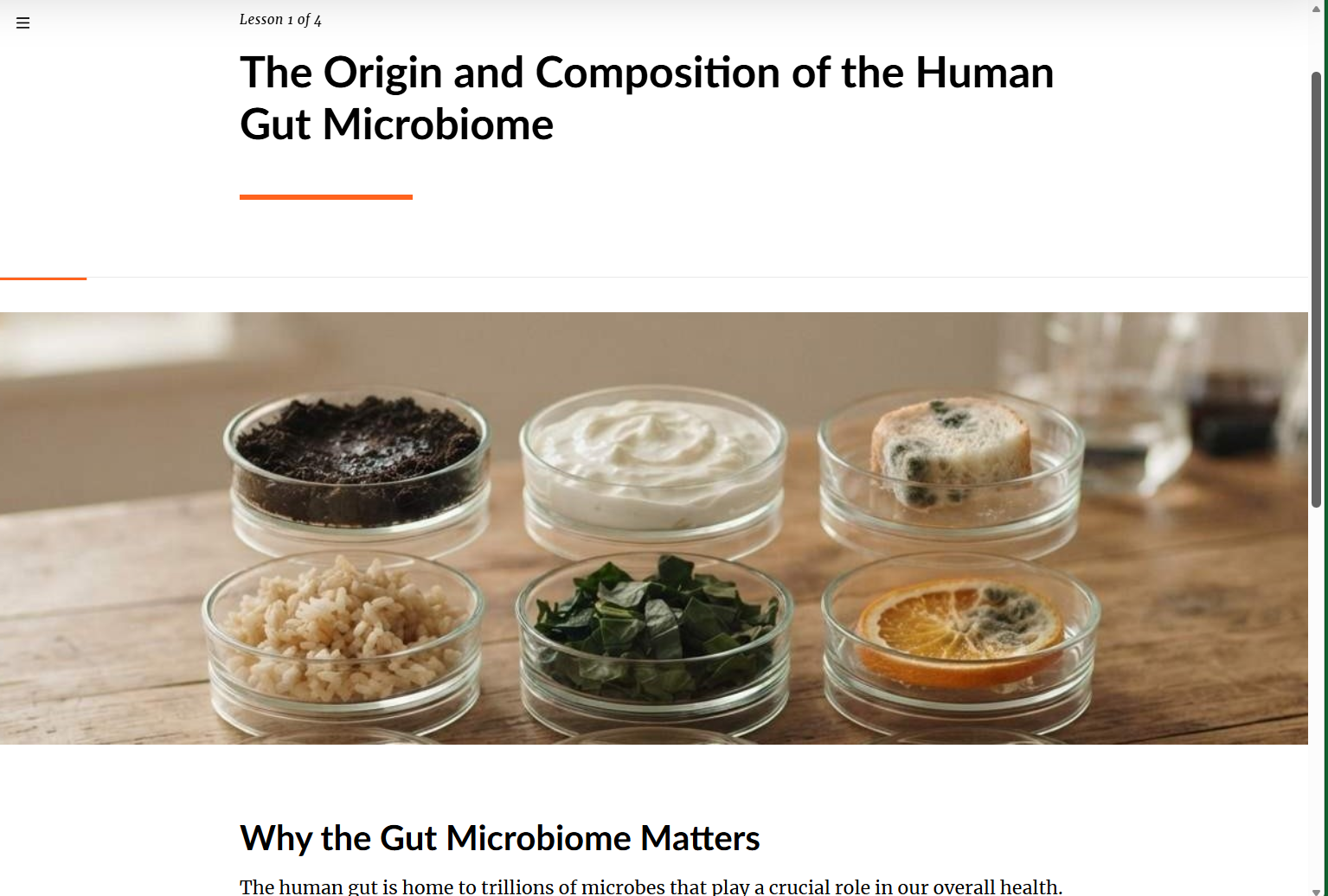
Learners will be able to describe how the microbiome is assembled.
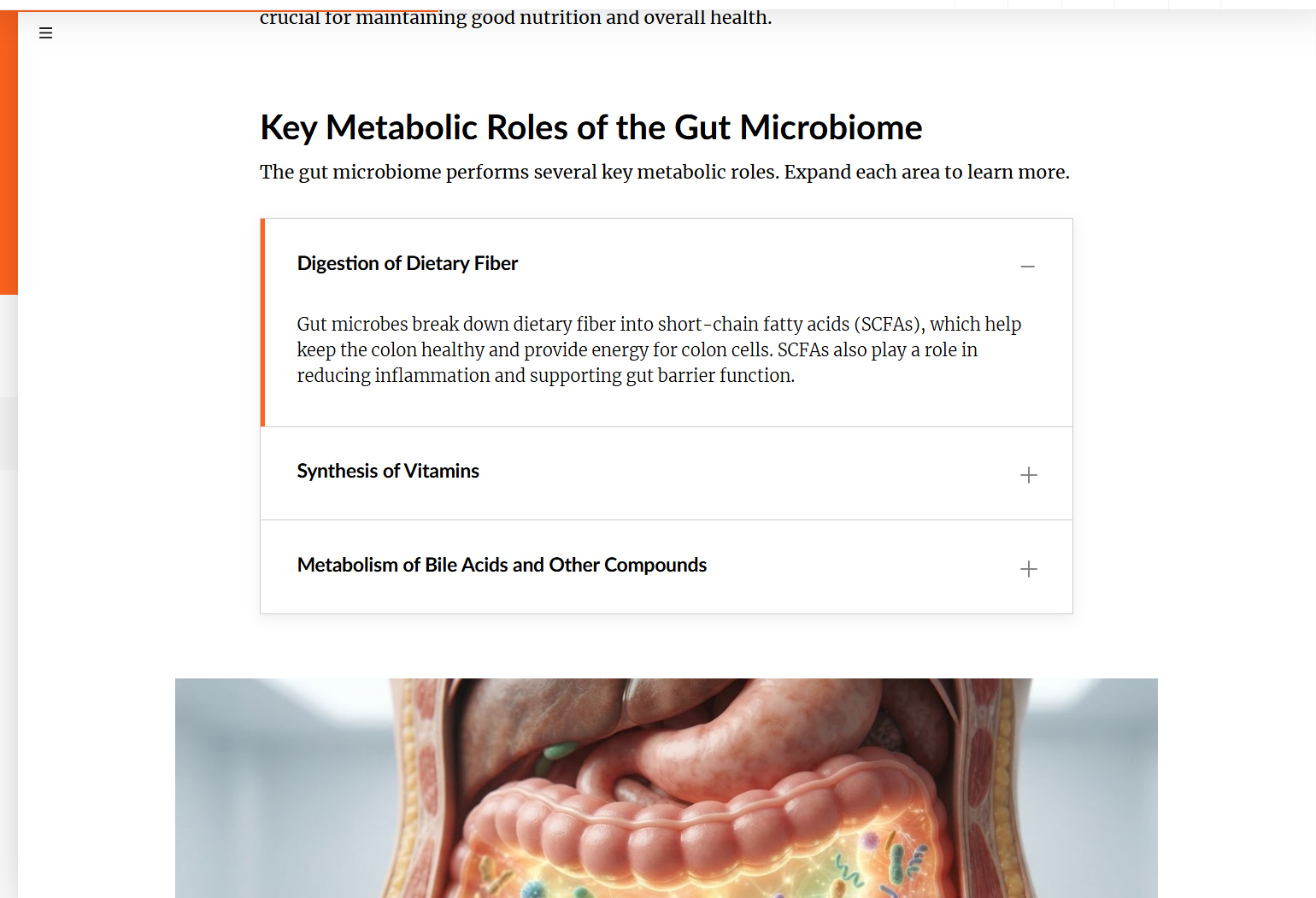
Learners will be able to describe the key functions of the microbiome.
Learners will be able to describe how nutrition affects the microbiome.
Learn will be able to describe the difference between microbiome diversity and composition.
Tools used:
Articulate 360 Rise, Claude for storyboarding
Learning strategies employed:
This basic course in Rise designed and developed by Joel provides information in a sequence based on scaffolding and prior knowledge, and then assesses understanding. The module provides multiple interactive components, including click-to-reveal and horizontal scrolling.
The quiz at the end is enabled for integration with an LMS.
This module is in the Iterative Design phase of the SAM model, and the Evaluation phase of the ADDIE model.
Hazardous Manual Tasks
Goal:
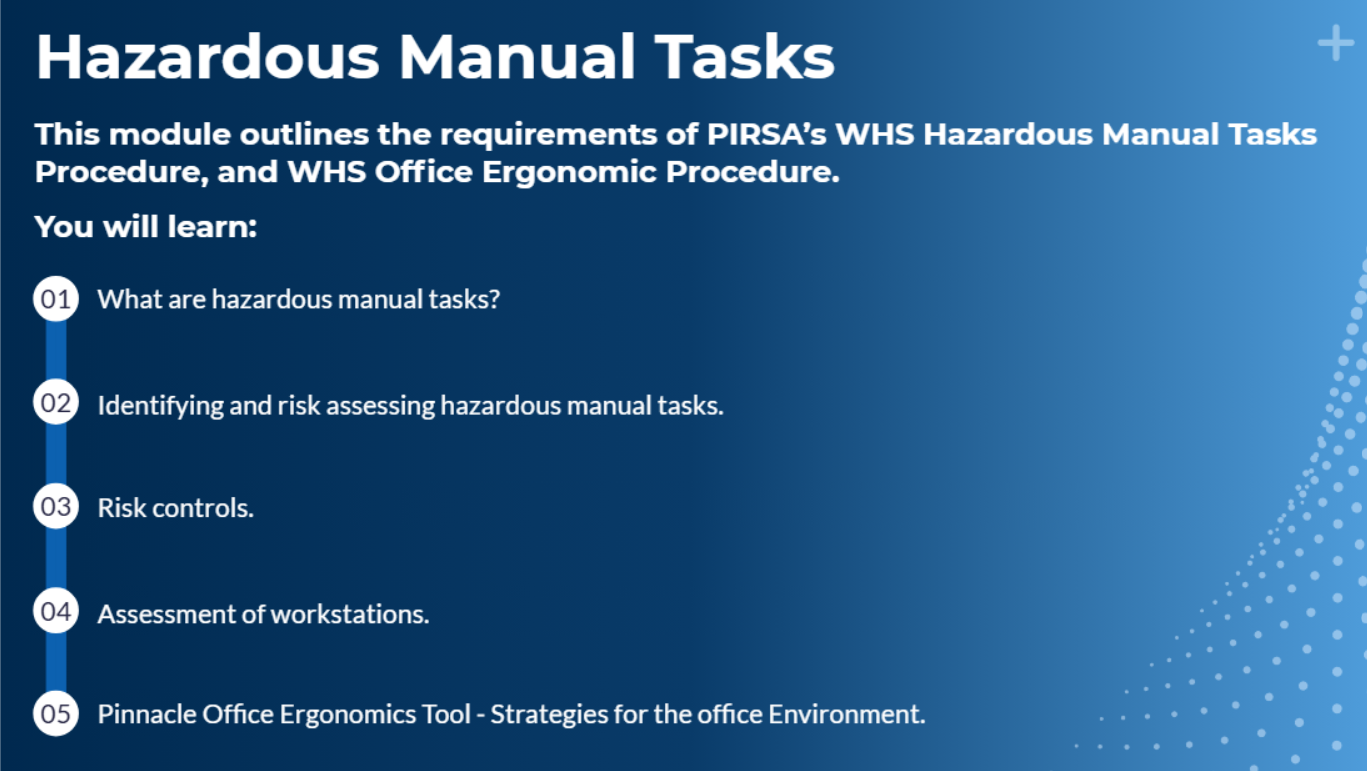
Learners will be able to work more safely when performing manual tasks through training in hazards, risks, reporting and identifying ergonomic solutions.
Tools used:
Articulate 360 Storyline
Learning strategies employed:
In this slide pack refresher using Storyline, I used digital tools and images to redesign and modernise the graphics and flow of presentation, as well as update quiz questions, through regular communications with SMEs.
Articulate Storyline - Hospital
Learning objectives:
Learners will be able to describe the key activities that occur in each department of a hospital
Tools used:
Articulate 360 Storyline
Learning strategies employed:
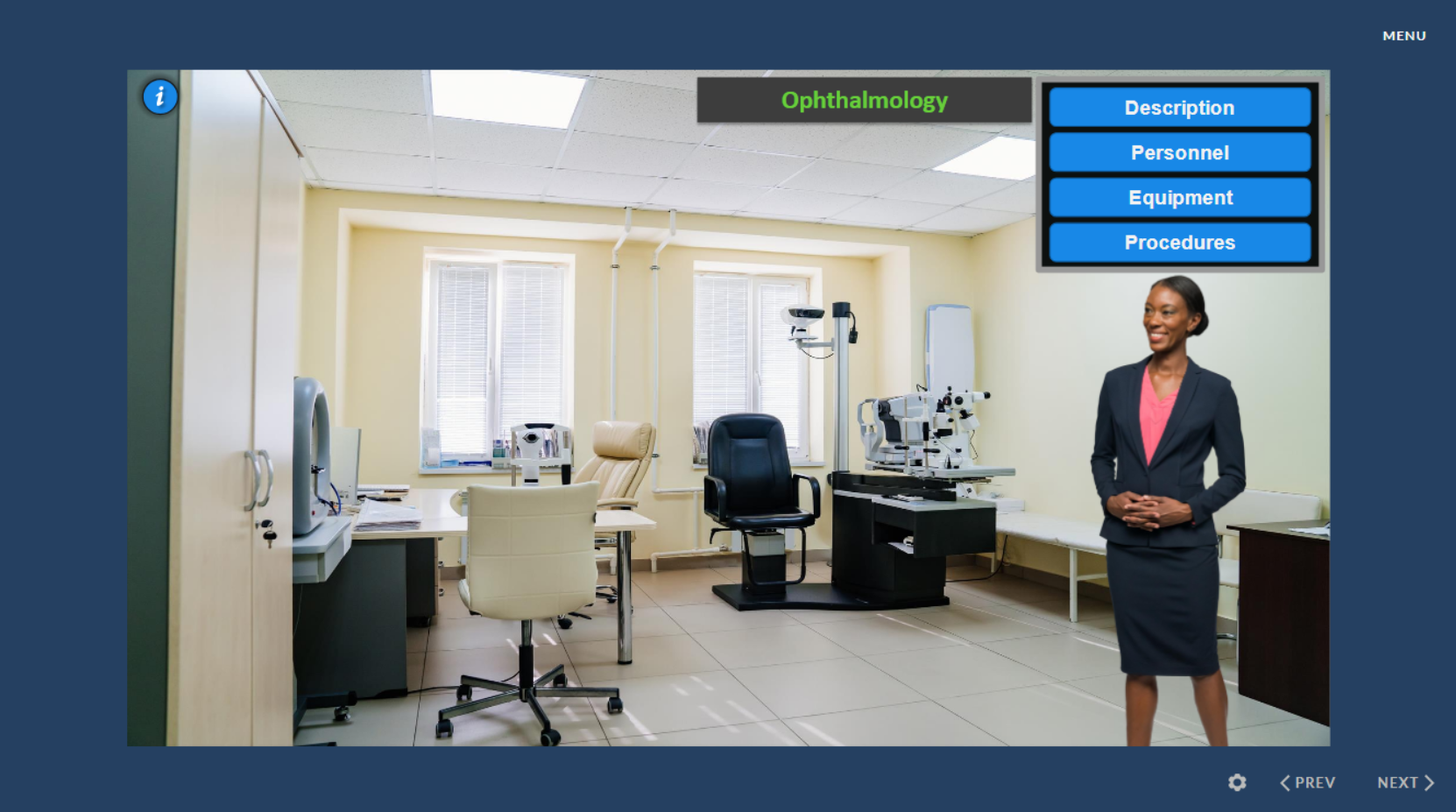
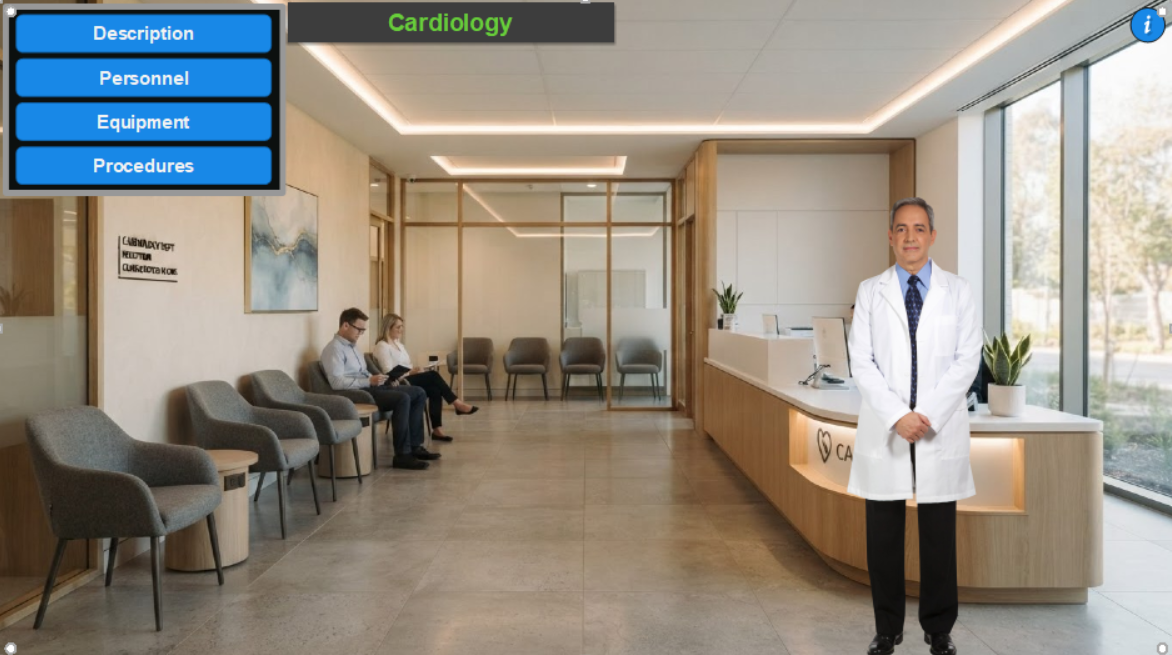
This 43-slide module in Storyline was refreshed and modernised by Joel for integration into LMS for a local RTO. It includes a full range of hospital departments, including emergency, radiology, gastroenterology, and neurology.
The module updates provide a more interactive and engaging way to learn about the personnel, equipment and procedures within hospital departments. The course utilises images that help promote retention of the information.
No assessments were required for this module.
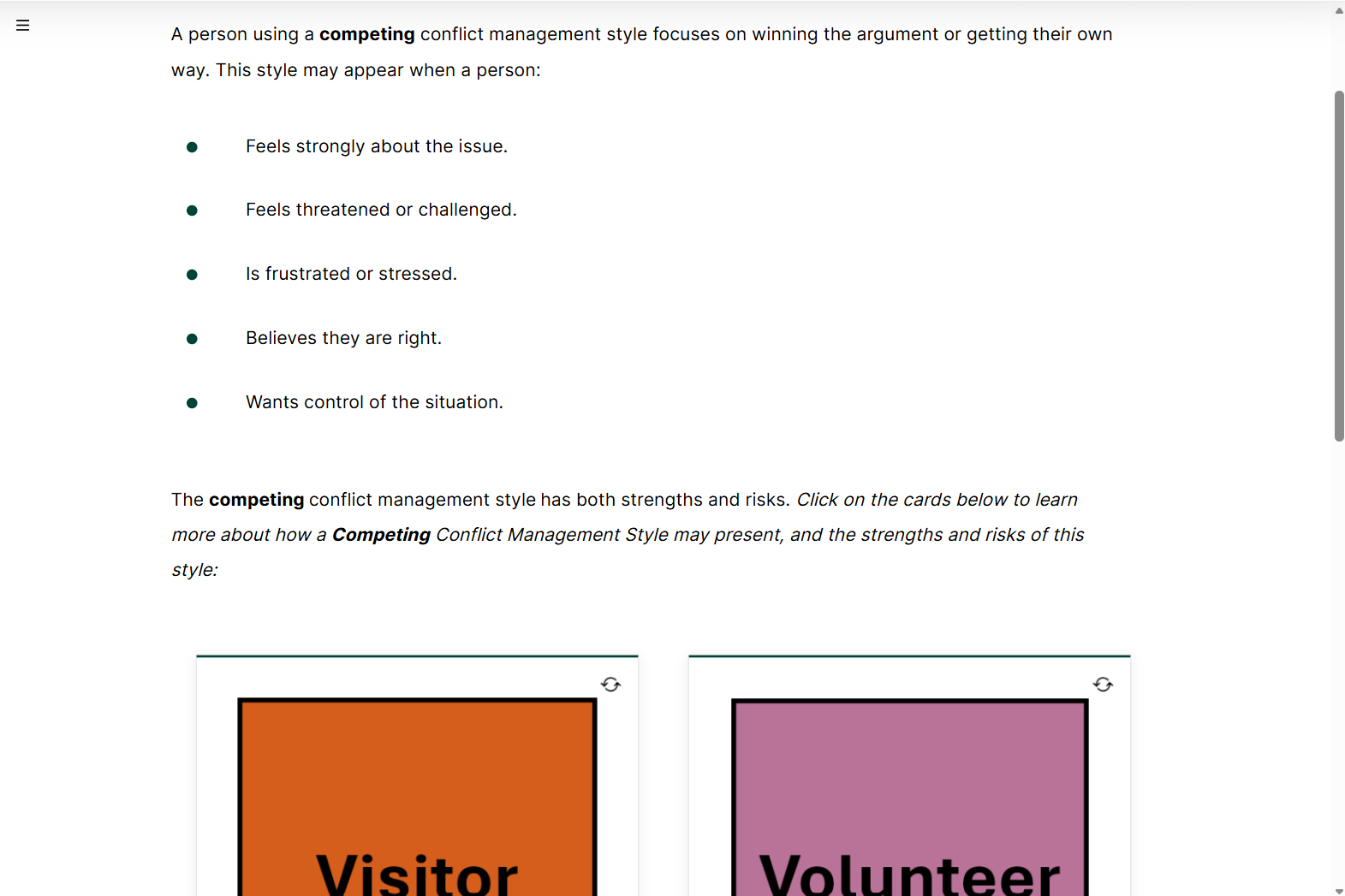
Conflict Resolutions for Volunteers
Learning objective:
Learners (volunteer for the Botanical Gardens of DEW) will be able to evaluate risks when communicating with visitors.
Learners will be able to describe how to resolve the most common conflict situations when working with the public.
Tools used:
Articulate 360 Rise
Learning strategies employed:
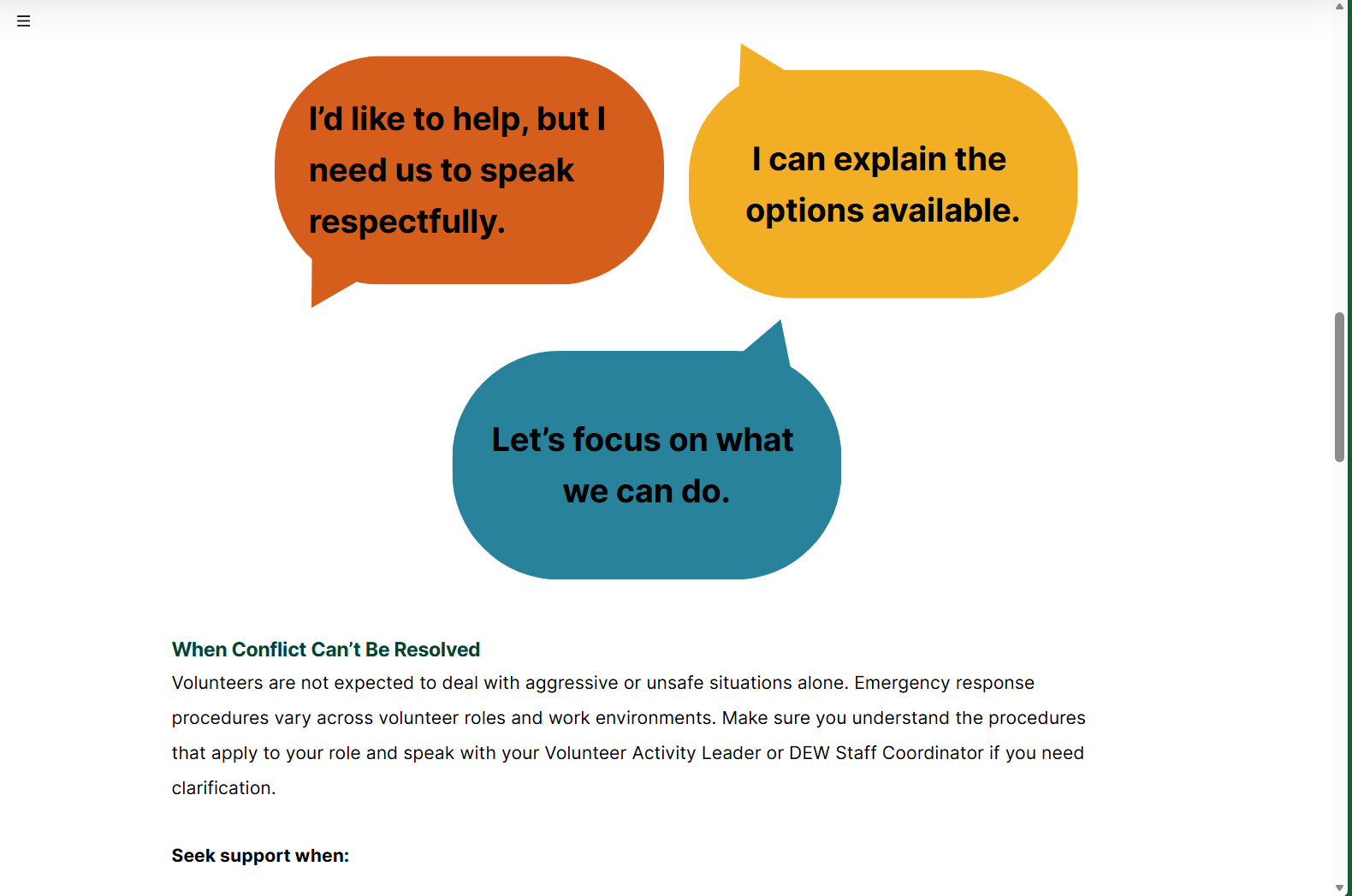
This Rise module was refreshed by Joel in consultation with the SMEs and managerial team at the Botanic Gardens. Graphic design integrated the organisation’s colour scheme for continuity of learner experience.
Content output was a SCORM package and the source files, for ease of future changes by the organisation.